
Updated September 2026: Costs, platform features, and business conditions can change. Verify current terms before committing capital.
Online Business Models: Choose a Business Model Before You Choose Tools
Starting an online business at home becomes easier when the business model is decided before the software stack. A tool cannot compensate for an unclear customer, weak offer, or untested distribution plan. Use this page to compare the operating models first, then read the specialist guides for implementation.
This is not a promise that one model will work for everyone. Capital, skills, available time, risk tolerance, and access to customers all change the decision.
Business Model Deep-Dives
D2C Shopify
Start with a product, a clear customer, and a controlled test. Shopify can work when you need an owned storefront, payment flows, customer data, and room to build a brand.
Amazon FBA India
Use marketplace demand and fulfilment infrastructure, but account for fees, inventory risk, listing competition, and dependence on a platform you do not control.
Detailed guide coming next
Affiliate Marketing
Build useful content around a defined problem and disclose commercial relationships. This is usually slower than selling a service, but it can compound when search and email distribution work.
Detailed guide coming next
Digital Products
Turn a repeatable skill or process into a template, course, guide, or tool. Validate the problem before spending months producing the product.
Detailed guide coming next
Service Business
Sell a specific outcome before building a large product. Services can reach revenue faster, but delivery capacity and client acquisition determine the ceiling.
Detailed guide coming next
How to Compare the Models
| Model | Useful when | Main constraint |
|---|---|---|
| D2C Shopify | You want an owned storefront and brand relationship | Customer acquisition, inventory, and fulfilment |
| Amazon FBA | You want marketplace demand and fulfilment support | Fees, competition, inventory, and platform dependence |
| Affiliate marketing | You can publish useful decision-support content consistently | Slow distribution and dependence on search or audience channels |
| Digital products | You have a repeatable solution to a defined problem | Validation, trust, and product quality |
| Services | You can deliver a specific outcome for a client | Sales capacity and time-for-money limits |
A Practical Selection Process
- Write down the customer and problem before choosing a platform.
- Estimate the time and capital you can sustain for six months.
- Identify the first realistic distribution channel.
- Run the smallest test that can produce evidence.
- Choose tools only after the model survives the first test.
Continue the GSA Roadmap
Use the complete GSA roadmap first. Then choose one model deep-dive and follow its validation steps instead of trying to launch every model at once.
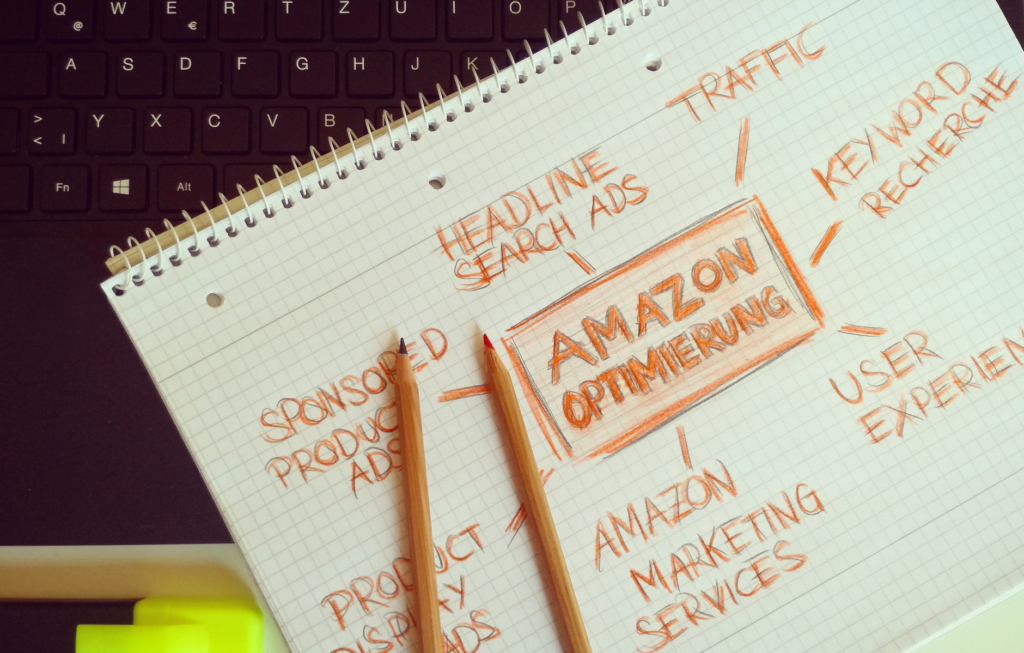
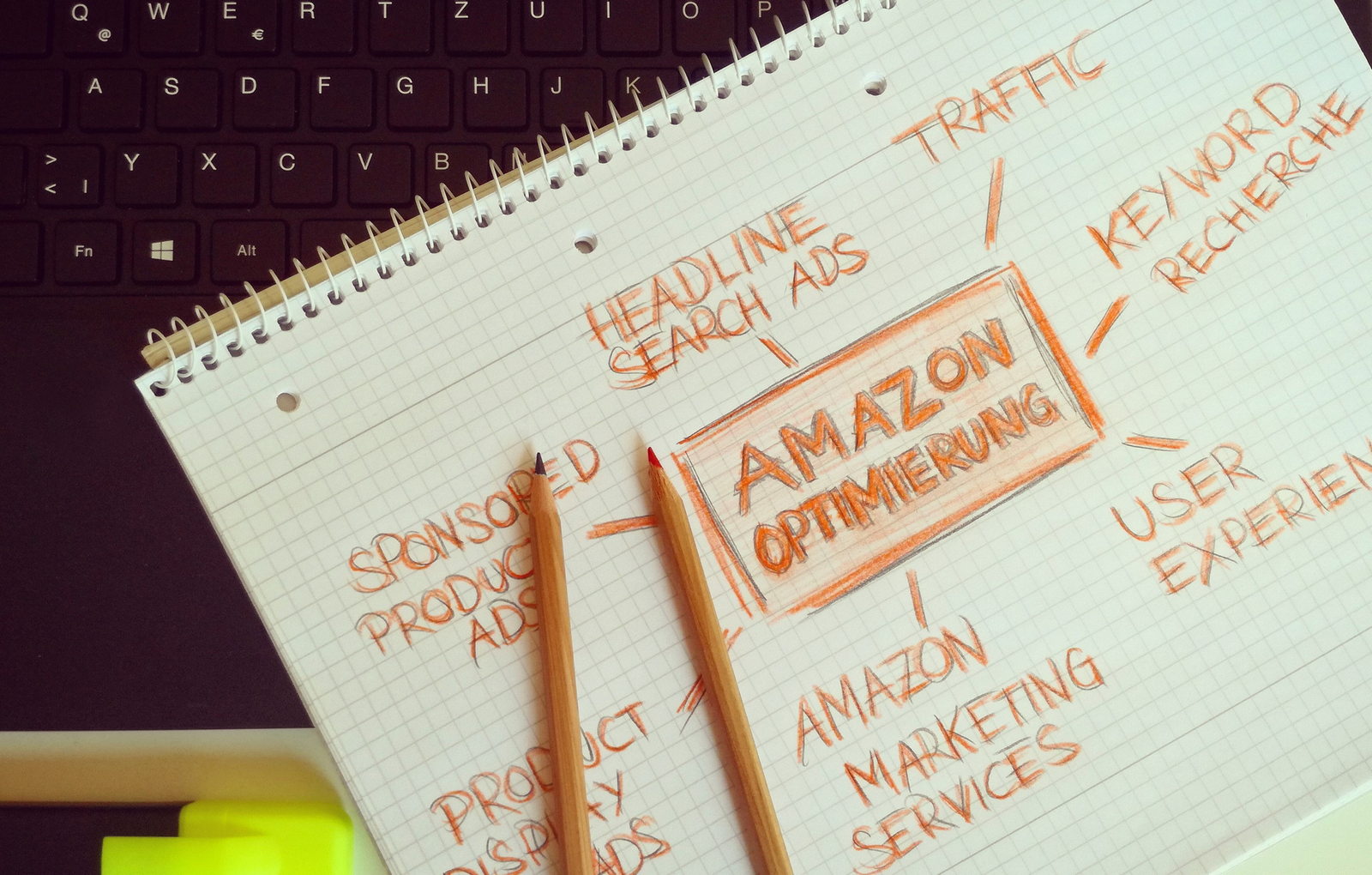
Online business models: This practical comparison helps founders choose a model before buying software, inventory, or advertising.
Online Business Models: Choose by Constraint
The right online business model is not the one with the loudest success story. It is the one that matches your capital, skills, available time, access to customers, and tolerance for uncertainty. A service business can be easier to test than a stocked product business, but it may depend more heavily on your time. A digital product can scale delivery, but it still needs a validated problem and a distribution channel.
Start by writing down the constraint that matters most. If cash is limited, prefer a model that can be tested before a large purchase. If time is limited, avoid a model that requires daily fulfilment until the workflow is proven. If you already have a community, an audience-led product or affiliate content may have a shorter route to the first useful signal.
Capital and inventory
Shopify D2C and Amazon FBA can require inventory, packaging, returns handling, and working capital. Include samples, photography, shipping, payment fees, returns, and a reserve for mistakes instead of treating a platform’s introductory price as the full launch budget.
Distribution and customer access
A business model is incomplete without a route to customers. Marketplace models provide existing discovery but introduce platform rules and fees. An owned store gives more control over the customer relationship but usually requires deliberate traffic acquisition. Services can use direct outreach, referrals, or professional networks.
Test the Model Before Scaling It
- Define one customer group and one problem.
- Write the smallest offer that can test whether the problem matters.
- Choose one distribution channel instead of opening every channel at once.
- Set a budget, time limit, and evidence threshold before spending.
- Review what customers did, not only what they said.
For ecommerce metrics, review conversion rate, average order value, acquisition cost, gross margin, refund rate, repeat purchases, and delivery problems together. HubSpot’s ecommerce metrics guide is a useful reference for common definitions, but your dashboard should reflect the decisions your own business needs to make.
When to Change Direction
Change the offer, audience, channel, or model when the evidence repeatedly rejects the current assumption. Do not pivot because one week was slow, and do not continue indefinitely because money has already been spent. Record the assumption, test, result, and next decision.
Frequently Asked Questions
Which online business model is best for beginners?
There is no universal best model. A service can be easier to test with limited capital, while a product or content model may offer different long-term possibilities. Start with the model that fits your skills, time, and access to customers.
Should I start with Shopify or Amazon?
Choose Amazon when marketplace demand and fulfilment support are priorities. Choose Shopify when owning the storefront, customer relationship, and brand experience matters more.
Can affiliate marketing be a full-time business?
It can become a business, but results depend on audience trust, useful content, distribution, and partner terms. It is not a guaranteed quick-income model.
How much money should I invest?
Invest enough to run a meaningful test, not enough to make an unvalidated idea emotionally difficult to abandon. Set a fixed test budget and success criteria before spending.
Can I run multiple models at once?
You can, but beginners usually learn faster by choosing one primary model and one measurable next step. Splitting attention across several models often delays evidence and revenue.
Pingback: SEMrush Review 2026: What Is It Actually Useful For? - GSA
Pingback: Helium 10 Review for Amazon India Sellers 2026 - GSA
Pingback: Brevo Review 2026: Is It Good for Indian Founders? - GSA
Pingback: Canva Pro Review 2026: Is It Worth Paying For? - GSA
Pingback: Best Web Hosting in India 2026: How to Choose Without Overpaying - GSA
Pingback: Elementor Review 2026: Is It Still a Good WordPress Builder? - GSA
Pingback: WordPress.com for D2C Stores: Honest Pros, Cons, and Best Fit
Pingback: Best WordPress.com Plan for Beginners in 2026