
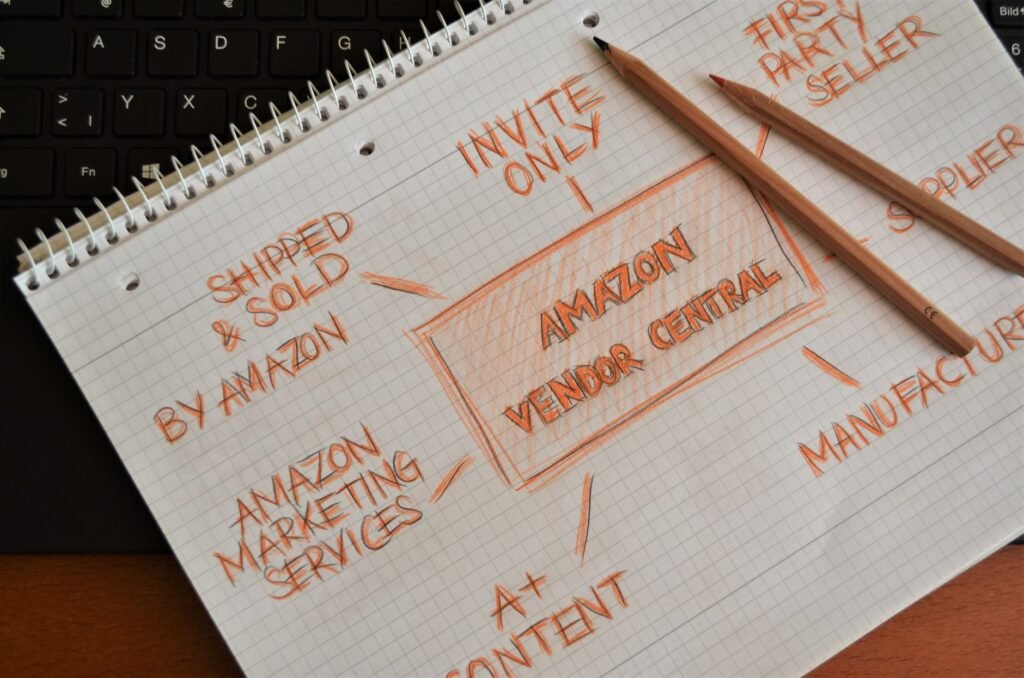
Amazon FBA India: This guide explains the model and the evidence to collect before committing serious time or money.
What the Amazon FBA India model is and who it fits
Amazon FBA India is a logistics service provided by Amazon that allows sellers to store their products in Amazon’s fulfillment centers. Amazon takes care of storage, packaging, and shipping, making it easier for small operators and founders to reach a vast customer base without managing logistics themselves.
How Amazon FBA Works
Understanding the mechanics of Amazon FBA is crucial for anyone considering this business model. Here’s a breakdown of the key components:
- Product Validation: Before investing, conduct market research to identify trending products. Use tools like Jungle Scout or Helium 10 to analyze demand.
- Inventory Management: Once products are validated, purchase inventory in bulk. Monitor stock levels to avoid running out, which can impact sales.
- Fees: Amazon charges various fees, including referral fees and fulfillment fees. Familiarize yourself with these costs to calculate profitability.
- Fulfillment: Amazon handles the logistics, ensuring fast shipping. This can enhance customer satisfaction and lead to better reviews.
- Returns: Amazon manages returns, but be prepared for potential losses due to returned items. Understand the return policies to mitigate risks.
- Working Capital: Ensure you have enough capital to cover inventory purchases and Amazon fees. Cash flow management is critical.
- Marketplace Dependence: Your business will heavily rely on Amazon’s platform. Changes in policies or algorithms can affect visibility and sales.
When Not to Use Amazon FBA
While Amazon FBA can be beneficial, it’s not suitable for everyone. Consider the following criteria:
| Criteria | Reason |
|---|---|
| Low Product Margin | High fees can erode profits. |
| Unstable Supply Chain | Frequent stockouts can harm your seller rating. |
| Limited Capital | Insufficient funds can hinder inventory purchases. |
| Non-Scalable Products | Products with limited market appeal may not grow. |
In conclusion, Amazon FBA India offers a streamlined approach for selling products online, but it requires careful planning and consideration of various factors. Assess your business model against these criteria to determine if it’s the right fit for you.
The Customer Problem and Offer

Amazon FBA India is a powerful business model that allows small operators and founders to leverage Amazon’s vast infrastructure for selling products. However, understanding how it works is crucial for success.
Understanding Amazon FBA
Fulfillment by Amazon (FBA) enables sellers to store their products in Amazon’s warehouses. Amazon takes care of storage, packaging, and shipping, allowing sellers to focus on product selection and marketing.
Product Validation
Before diving into Amazon FBA, validating your product is essential. Conduct market research to identify demand and competition. Tools like Jungle Scout or Helium 10 can assist in assessing potential profitability.
Inventory Management
Effective inventory management is critical. Amazon charges storage fees based on the amount of space your products occupy. Monitor your inventory levels to avoid excess storage fees and stockouts.
Understanding Fees
FBA involves various fees, including:
- Fulfillment Fees: Charged per unit sold.
- Storage Fees: Monthly fees based on the volume of your products.
- Referral Fees: A percentage of the sale price.
Fulfillment and Returns
Amazon handles fulfillment and returns, which can enhance customer satisfaction. However, be prepared for return rates, especially in categories like clothing and electronics.
Working Capital Considerations
Starting with Amazon FBA requires a significant upfront investment for inventory and fees. Ensure you have enough working capital to sustain your business until it becomes profitable.
Marketplace Dependence
Relying solely on Amazon can be risky. Changes in Amazon’s policies or algorithms can impact your sales. Diversifying your sales channels can mitigate this risk.
When Not to Use Amazon FBA
Consider avoiding Amazon FBA if:
- Your product has low margins after fees.
- You cannot manage inventory effectively.
- You are not prepared for potential returns.
- You lack sufficient working capital.
In conclusion, while Amazon FBA India offers a robust platform for selling products, understanding the intricacies of the model is essential for success. By validating your product, managing inventory, and being aware of fees, you can make informed decisions that align with your business goals.
Costs, Time, and Operating Constraints

Understanding the operational framework of Amazon FBA India is crucial for small operators and founders. This model allows sellers to store their products in Amazon’s fulfillment centers, where Amazon takes care of storage, packaging, and shipping. However, several costs and constraints need to be considered.
Product Validation
Before diving into Amazon FBA, validate your product idea. Conduct market research to identify demand and competition. Tools like Jungle Scout or Helium 10 can help gauge potential sales volume.
Inventory Management
Maintaining optimal inventory levels is essential. Over-stocking can lead to high storage fees, while under-stocking may result in missed sales. Use Amazon’s inventory management tools to track stock levels and sales trends.
Fees Breakdown
| Fee Type | Description |
|---|---|
| Fulfillment Fees | Charged per unit for picking, packing, and shipping. |
| Storage Fees | Monthly fees for storing products in Amazon’s warehouses. |
| Referral Fees | A percentage of the sale price, varying by category. |
Fulfillment and Returns
Amazon handles fulfillment, which can be a double-edged sword. While it simplifies logistics, returns can be challenging. Understand Amazon’s return policy and prepare for potential losses from returned items.
Working Capital Requirements
Starting with Amazon FBA requires sufficient working capital. Consider costs for product sourcing, shipping to Amazon, and initial marketing. A budget of at least INR 50,000 is often recommended for beginners.
Marketplace Dependence
Relying solely on Amazon can be risky. Changes in Amazon’s policies or algorithms can impact your sales. Diversifying your sales channels can mitigate this risk.
When Not to Use Amazon FBA
- If your product has low margins after fees.
- If you cannot manage inventory effectively.
- If you lack the capital for upfront costs.
- If you prefer direct customer relationships over marketplace sales.
In conclusion, while Amazon FBA India offers a streamlined approach to e-commerce, it comes with its own set of challenges. Assess your readiness against these criteria before committing to this business model.
How to Validate the Model Before Scaling
Understanding how Amazon FBA India operates is crucial for founders and small operators looking to enter the e-commerce space. This model allows sellers to store products in Amazon’s warehouses, where Amazon handles storage, packaging, and shipping. However, before scaling your operations, validating your product and business model is essential.
Product Validation
Start by identifying a niche market. Use tools like Amazon’s Best Sellers list and keyword research to find trending products. Consider the following criteria:
- Market demand
- Competition level
- Profit margins
Inventory Management
Once you have a validated product, managing inventory is key. Amazon FBA charges storage fees based on the volume of your products. Ensure you have enough working capital to cover these costs while maintaining adequate stock levels.
Understanding Fees
Amazon FBA has various fees, including:
| Fee Type | Description |
|---|---|
| Fulfillment Fee | Charged per unit for picking, packing, and shipping. |
| Storage Fee | Monthly fee based on the space your products occupy. |
| Referral Fee | Percentage of the sale price taken by Amazon. |
Returns Management
Returns are a part of e-commerce. Amazon handles returns for FBA sellers, but you should prepare for the potential impact on your bottom line. Analyze return rates and reasons to improve your product offerings.
Marketplace Dependence
Relying solely on Amazon can be risky. Diversify your sales channels to mitigate risks associated with marketplace changes. Consider building your own website or using other platforms.
When Not to Use Amazon FBA
Amazon FBA may not be suitable for everyone. Avoid this model if:
- Your product has low margins
- You lack sufficient working capital
- You are not prepared for returns and customer service
In conclusion, validating your business model before scaling is vital. Focus on product validation, inventory management, understanding fees, and preparing for returns. By following these guidelines, you can make informed decisions about your Amazon FBA India journey.
Common Mistakes and Warning Signs
Understanding how Amazon FBA works as a business model in India is crucial for success. While it offers a streamlined way to sell products, there are common pitfalls that can derail your efforts.
Product Validation
One of the first mistakes is skipping product validation. Before investing in inventory, ensure there is demand for your product. Use tools like Jungle Scout or Helium 10 to analyze market trends.
Inventory Management
Overstocking or understocking can lead to significant losses. Keep track of your inventory levels and sales velocity. Utilize Amazon’s inventory management tools to avoid stockouts or excess fees.
Understanding Fees
Amazon FBA comes with various fees, including referral fees, fulfillment fees, and storage fees. Failing to account for these can erode your profit margins. Create a detailed cost breakdown before launching your product.
Fulfillment and Returns
Amazon handles fulfillment, but you must manage returns effectively. High return rates can indicate product issues or misalignment with customer expectations. Monitor your return metrics closely.
Working Capital
Insufficient working capital can hinder your ability to restock or scale. Ensure you have enough funds to cover initial inventory purchases and ongoing operational costs.
Marketplace Dependence
Relying solely on Amazon can be risky. Diversify your sales channels to mitigate risks associated with marketplace changes or policy updates.
When Not to Use Amazon FBA
Consider avoiding Amazon FBA if:
- Your product has a low profit margin after fees.
- You lack sufficient working capital for inventory and marketing.
- You are not prepared to handle customer service and returns.
- You are targeting a niche market with limited demand.
By being aware of these common mistakes and warning signs, you can better navigate the complexities of the Amazon FBA India model and increase your chances of success.
A Practical 30-Day Starting Plan
Amazon FBA India is a powerful business model that allows sellers to leverage Amazon’s logistics and customer service. However, understanding its components is crucial for success. This 30-day plan will guide you through the essentials of starting your Amazon FBA journey in India.
Understanding Amazon FBA
Fulfillment by Amazon (FBA) allows you to store your products in Amazon’s warehouses. Amazon handles storage, packaging, and shipping, making it easier for you to focus on sourcing and marketing your products.
Product Validation
Before investing in inventory, validate your product idea. Use tools like Jungle Scout or Helium 10 to analyze market demand and competition. Aim for products with a good sales rank and manageable competition.
Inventory Management
Once you validate your product, plan your inventory. Start with a small batch to minimize risk. Monitor stock levels closely to avoid running out, which can hurt your sales rank.
Understanding Fees
Amazon charges various fees, including:
- Referral Fees: A percentage of each sale.
- Fulfillment Fees: Charges for storage and shipping.
- Monthly Storage Fees: Costs for storing your products in Amazon’s warehouse.
Calculate these fees to understand your profit margins.
Fulfillment and Returns
Amazon handles fulfillment, but you must manage returns. Familiarize yourself with Amazon’s return policy and prepare for potential returns in your financial planning.
Working Capital
Ensure you have sufficient working capital. Factor in costs for inventory, shipping, and Amazon fees. A good rule of thumb is to have at least three months’ worth of operating expenses available.
Marketplace Dependence
Relying solely on Amazon can be risky. Diversify your sales channels by considering your own website or other marketplaces to mitigate risks associated with Amazon’s policies.
When Not to Use Amazon FBA
Consider avoiding Amazon FBA if:
- Your product has low margins.
- You cannot manage inventory effectively.
- You are not prepared for the initial investment.
By following this 30-day plan, you can effectively navigate the complexities of Amazon FBA India and set a solid foundation for your business.
Continue with the online business models hub and the GSA roadmap.
Updated September 2026: Costs, platform rules, and market conditions can change. Verify current terms before acting.
Sources and References
Frequently Asked Questions
Who should consider this business model?
Consider it when the customer problem, available time, skills, capital, and distribution channel fit the way the model operates.
How much should a beginner invest?
Set a defined test budget rather than committing the full launch budget before validating the customer problem and offer.
How quickly can it produce revenue?
Timing varies by model, customer access, skill, offer, and distribution. Treat any exact income promise as a warning sign.
What is the biggest risk?
The biggest risk is scaling an unvalidated assumption, such as buying inventory or building a product before confirming that customers value the problem being solved.
What should I do next?
Choose one customer group, write one testable offer, set an evidence threshold, and run a small test before expanding the model.
📚 Recommended Reading
Handpicked by Arvind — books that actually changed how I think about this topic.
🇮🇳 $100M Offers: How To Make Offers So Good People Feel Stupid Saying No
🇮🇳 The Lean Startup
🇮🇳 The E-Myth Revisited
🚀 Best Hosting to Start Online Business 2026
Tested by GSA. Best price-performance for Indian D2C stores.
(Affiliate links — we earn a small commission at no extra cost to you.)
☁️ Cloudways
Managed cloud hosting. Best for WooCommerce at scale. Pay-as-you-go from $14/mo.
🔵 Bluehost India
Best budget shared hosting. Free domain + SSL. From ₹199/mo for new stores.
⚡ ChemiCloud
NVMe SSD hosting. 99.99% uptime. Free migrations. Fastest load times tested.
Related reading: Online business models compared · SEO audit guide · SEO services
Sources & further reading: Search Engine Land
Further reading: Search Engine Land · Semrush Blog
More on this topic: Technical SEO audit · Keyword research service
Affiliate disclosure: This article may contain sponsored affiliate links. If you purchase through one, GSA may earn a commission at no additional cost to you. Recommendations are based on fit, operational trade-offs, and publicly available evidence, not commission rates.
See which pages lose clicks
Run the free website SEO audit to find the pages Google already shows but that earn almost no clicks, then fix the highest-impact issues first.