

Updated September 2026
Last updated: May 2026 — model comparisons and pricing verified.
- Dropshipping: Zero inventory, low risk, thin margins. Best for testing product-market fit with under ₹50,000 starting capital.
- Private Label: Higher margins, brand ownership, but needs ₹2–5 lakh upfront and 3–6 months to launch.
- Indian context: COD rates hit dropshipping harder — RTO can eat 20–30% of revenue if not managed.
- GSA verdict: Start with dropshipping to validate demand, switch to private label once you hit 300+ orders/month.
Most Indian founders facing the dropshipping vs private label decision get stuck because they compare the two models on the wrong metrics. This guide cuts through the noise.
TL;DR — Dropshipping vs Private Label at a Glance
- Dropshipping: Zero inventory, low risk, thin margins. Best for testing product-market fit with under ₹50,000 starting capital.
- Private Label: Higher margins, brand ownership, but needs ₹2–5 lakh upfront and 3–6 months to launch.
- Indian context: COD rates hit dropshipping harder — RTO can eat 20–30% of revenue if not managed.
- GSA verdict: Start with dropshipping to validate demand, switch to private label once you hit 300+ orders/month.
Quick Assessment: Which Path Matches Your Capital Profile?
Align your current liquid reserves with the reality of operational scaling in India:
Focus entirely on Dropshipping. Master landing page architecture and Facebook/Meta ad attribution without holding physical stock liability.
Deploy the Hybrid Model. Use dropshipping to aggressively test products, then transition profits into small-batch white-labeling (MOQs of 100-300) to slash shipping times.
Deploy Private Label Sourcing immediately. Secure custom packaging formulas, register IP rights, and build a sellable corporate asset.
Last Updated: February 2026
Read Time: 15 minutes
What You’ll Learn: Complete step-by-step guide to dropshipping vs private label
180-Day Command Framework: Start Online Business in India
Part 3 of 6
-
Part 1: How to Start Online Business in India: The 180-Day Roadmap HUB
- Part 2: Market Research for Online Business: The Recon Mission
- Part 3: Dropshipping vs Private Label 2026 Showdown (You are here)
- Part 4: Logistics, Customs, and Payment Gateways in India
- Part 5: Funnel Engineering and Customer Acquisition
- Part 6: Retention Systems & The Automation Engine
Introduction to Dropshipping vs Private Label
According to Statista’s India E-Commerce Report, the Indian D2C market is projected to reach $60 billion by 2027 — making model selection critical for long-term positioning.
Key Advantages for Indian D2C Founders
When launching an e-commerce ecosystem, deciding between dropshipping and private labeling shapes your entire capital requirement, supply chain, and exit strategy.
In our experience working with digital brands, understanding the trade-offs of both options ensures you build on solid ground without overextending resources.
See also: business idea validation framework
The core distinction rests on asset ownership and financial exposure.
Dropshipping minimizes entry barriers by allowing you to sell items without holding inventory, requiring an initial operational setup cost of $100 to $500.
Conversely, a true private label brand involves buying custom-branded inventory upfront, typically demanding a starting investment ranging from $1,000 to $5,000 to cover minimum order quantities (MOQs) and custom packaging.
Operational timelines differ cleanly: a dropshipping store can realistically launch within 1 to 2 weeks since product photography and supply networks are ready-made.
Private labeling takes between 6 to 12 weeks, accounting for custom sample iterations, custom laboratory testing, production runs, and transit times.
However, private label brands unlock higher sustained customer loyalty and healthier margins over time.
Dropshipping vs Private Label: Key Considerations
- Initial Capital: Dropshipping ($100–$500) vs. Private Label ($1,000–$5,000+ upfront).
- Time-to-Market: Dropshipping (1–2 weeks) vs. Private Label (6–12 weeks for supply preparation).
- Moat and Brand Equity: Private label allows full intellectual property control, whereas standard dropshipping faces heavy competition selling shared items.
Both frameworks balance risk against long-term scalability. While dropshipping acts as a zero-inventory laboratory to test audience demands, it introduces volatile supply speeds and lower control over fine product finishes.
Private labeling shields you from unpredictable item updates but binds capital into real units stored in third-party logistics hubs (3PLs) or domestic warehouses.
Once a particular SKU proves consistent market demand, pivot that specific asset into a private label production run to protect your margins and isolate your product quality.
If you are exploring the earliest phases of store design, read our complete Start Dropshipping Guide.
Equipping your store with clean foundational systems like Shopify (₹1,990/month) and direct order tools like DSers keeps your digital footprint lightweight while you optimize market data.
The Benefits of Dropshipping with Shopify (₹1,990/month) and DSers (free)
Key Advantages for Indian D2C Founders
Deploying a dropshipping store on Shopify offers an elegant sandbox for testing messaging, designs, and ad angles without massive capital risk.
Utilizing the DSers integration completely automates the mapping and fulfillment of orders from platforms like AliExpress directly to the consumer, stripping manual data entry out of daily routines.
This agility acts as a primary benefit for early-stage founders.
Without capital tied up in warehouses, you can realign your catalog or switch niches overnight if a specific market faces fatigue.
The flexibility allows for rapid data gathering across varied target audiences.
- Protected Capital: Cash reserves remain focused purely on customer acquisition and conversion optimization rather than being locked up in physical inventory.
- Instant Catalog Testing: Add or rotate seasonal products inside your storefront within minutes to immediately leverage trending social media spikes.
- Global Scale From Day One: Coordinate with international distribution nodes without setting up physical operations abroad.
While dropshipping functions efficiently for rapid deployment, it requires disciplined digital ad spending.
Because competitors can list identical items, success depends on high-quality copywriting, customized video assets, and smooth store user experiences.
Utilizing tools like DSers helps keep back-end systems efficient, allowing you to focus on marketing.
Relying on integrated web hooks means your administrative labor remains near zero even as daily volumes scale.
For a detailed breakdown of building digital storefronts from scratch, view our complete manual: Build a 6-Figure Online Business 2026: Ultimate Guide.
You can also consult the official Shopify Blog to stay aligned with updates in algorithmic payment rules and checkout design.
Launching Your Store? Start With the Right Host
Whether you go dropshipping or private label, your web infrastructure determines your site speed and checkout reliability.
We have verified and recommend these three hosting engines for regional and global expansions:
ChemiCloud — LiteSpeed from $2.99/mo
Bluehost — Free Domain + SSL Included
*Affiliate links — we only recommend hosts we have used and vetted for performance.
The Power of Private Label Sourcing
See also: Our complete dropshipping vs private label breakdown is updated quarterly with real data from Indian founders.
Why Indian Founders Are Choosing This Model
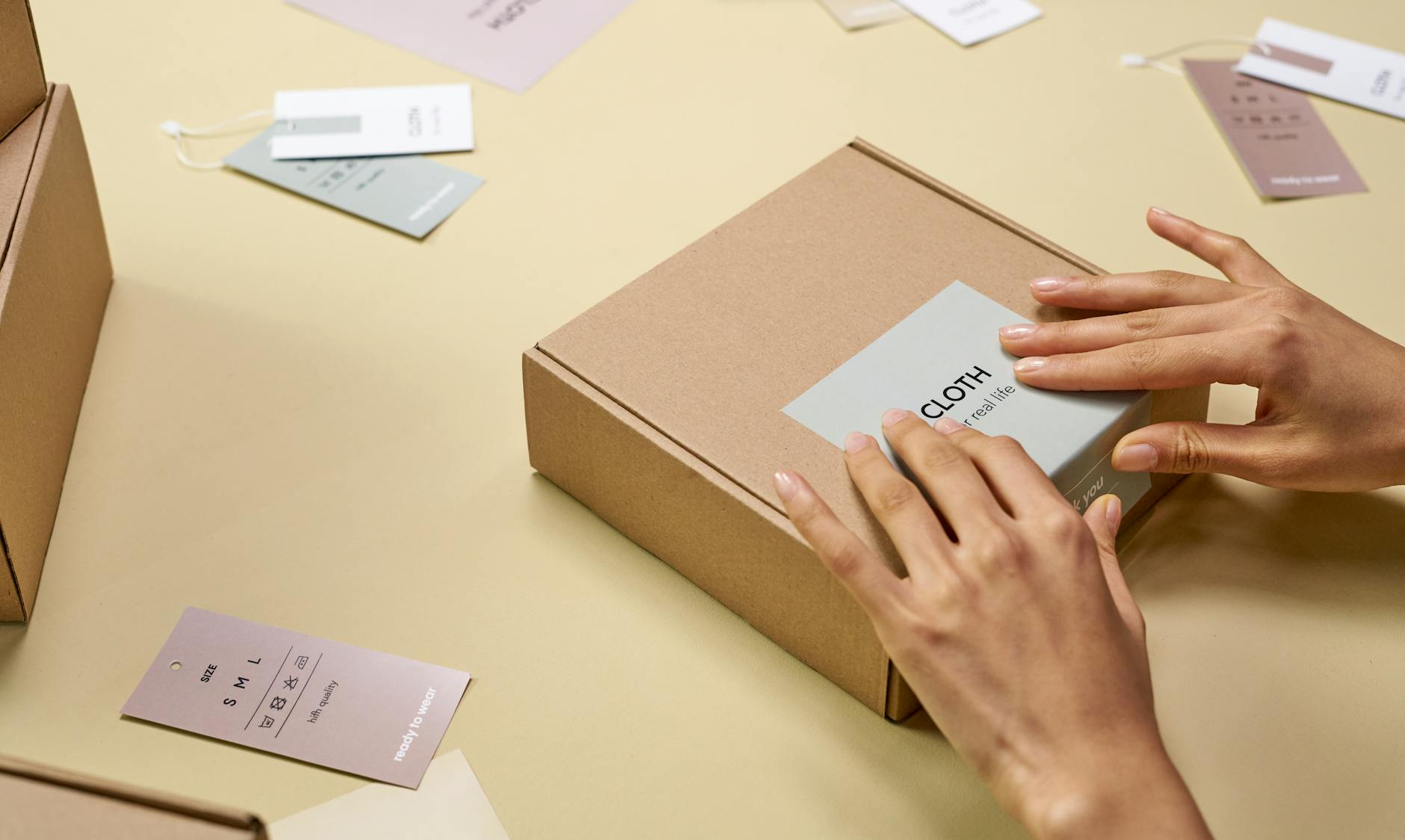
Private labeling changes your store from an intermediary store into a real corporate asset.
By printing your custom trademark onto custom formulas, specific molds, or clean modern packaging, you isolate your digital brand from direct price matches on open marketplaces.
This protection enables higher sustainable margins and supports premium brand positioning.
To scale an e-commerce brand while keeping systems lean, many founders utilize premium dropshipping hubs like Spocket ($39.99/mo).
Spocket connects stores to vetted suppliers across the US and Europe.
While true private labeling involves custom manufacturing in bulk, platforms like Spocket allow for branded invoicing and custom packaging inserts.
This serves as an effective intermediate step to provide a premium unboxing experience before moving to full factory MOQs.
- True Brand Moats: Custom structural improvements and distinct branding remove you from raw pricing wars on Google Shopping.
- Higher Retention Rates: Consistent item quality, customized unboxing presentation, and reliable delivery turn single shoppers into repeat buyers.
- Asset Valuation: Real corporate entities with custom supply chains and exclusive brand rights can be acquired by e-commerce aggregators.
Transitioning into dedicated private labeling requires steady attention to quality control.
Buying in bulk means you assume accountability for defective batches or transit damages.
However, localizing fulfillment via smart 3PL partners can drastically drop shipping timelines down to 2–5 days, which helps clear out delivery friction points.
Always purchase prototype batches to verify physical tolerances, colors, and durability before deploying capital into bulk orders.
Building an independent product line provides a strong differentiator in crowded digital markets.
We break down the sequential steps for setting up these systems in our complete blueprint: Start Online Business 2026: Ultimate 10-Step Roadmap.
Comparison Table: Dropshipping vs Private Label
To help visualize these structural differences, here is a breakdown of how the two e-commerce frameworks perform across critical operational points:
| Metric Block | Dropshipping Model | Private Label Model |
|---|---|---|
| Upfront Investment | Low ($100 – $500 software and initial testing ads) | Moderate to High ($1,000 – $5,000+ for stock and MOQs) |
| Average Gross Margins | 15% – 25% (Heavily restricted by middleman pricing) | 40% – 70% (Direct bulk manufacturing rates) |
| Supply Chain Control | Low (Dependent on external supplier stock and speed) | High (Full authority over packaging, modifications, and testing) |
| Shipping Speed | 7 – 15 Days (Variable international line transit) | 2 – 5 Days (Dispatched locally via domestic 3PL nodes) |
| Business Sale Value | Low (Hard to sell without exclusive product rights) | High (Valued as a proprietary brand asset) |
The dropshipping vs private label decision also affects your platform choice.
Dropshipping founders typically start on Shopify for its DSers integration, while private label brands often migrate to WooCommerce for more control over checkout and margin retention.
Once you build up cash reserves, transition into private label fulfillment to secure your margins.
Sustained performance requires using data to guide your tool choices.
For example, some teams deploy tools like Jasper AI ($49/mo) to quickly build out distinct landing pages, alongside tools like SEMrush ($129.95/mo) to discover hidden, low-competition keywords before competitors enter the space.
To dive deeper into platform choices, check out our comparative deep-dive: 2026’s Ultimate Shopify vs WooCommerce Showdown: Which Ecommerce Platform Generates More Revenue?
Marketing and Automation Strategies for Ecommerce Success
Automating your marketing funnel helps maintain stable customer acquisition costs even as your campaign budgets expand.
Utilizing email automation systems like Klaviyo ($20/mo) allows you to automatically recover abandoned carts, run multi-tier welcome tracks, and re-engage buyers based on behavioral cues.
Pairing your email flows with conversational automation via tools like ManyChat helps instantly capture social media engagement.
When users comment on your product videos, automated direct messages can deliver personalized discount codes straight to their inbox, turning views into store traffic.
Sending a targeted plain-text note 4 hours after a customer leaves a high-intent product page can help recover lost checkouts without hurting your profit margins.
Connecting separate software platforms via automated webhooks simplifies back-office administration.
Using tools like Zapier ($19.99/mo) to sync sales logs with fulfillment providers and analytics spreadsheets keeps your operations efficient as order volumes grow.
| Tool / Platform | Best For | Price | Key Feature | Verdict |
|---|---|---|---|---|
| Razorpay | Indian ecommerce transactions | 2% per transaction | One-fold payments | 4.5/5 |
| PayPal | International ecommerce transactions | 2.9% + $0.30 per transaction | Multi-currency support | 4.2/5 |
| Stripe | Ecommerce transactions with subscription-based models | 2.9% + $0.30 per transaction | Recurring payment support | 4.5/5 |
Integrating clear segmentation strategies helps your messaging remain relevant across different customer groups.
To explore more about tracking search data and building visibility, see our guide: SEMrush vs Ahrefs 2026: The Ultimate SEO Tool Showdown.
Optimizing Your Ecommerce Store for Conversions
A well-optimized conversion rate is a powerful driver of e-commerce profitability.
While average stores typically convert around 1.5% to 2% of traffic, optimizing your user experience can help push conversion rates higher, making your ad spend far more efficient.
Using content optimization platforms like Surfer SEO ($89/mo) can help align your text structure with user search intent.
Clear, helpful product descriptions that address customer concerns help build trust and support conversion goals.
- Optimize product description structures using clear search intent guidelines.
- Keep call-to-action (CTA) zones clear, prominent, and above the fold on mobile views.
- Include sharp multi-angle product videos to answer customer questions before checkout.
Whether you deploy standard dropshipping styles or a premium private label identity, optimizing your conversion rate remains a core priority.
For founders targeting growth in India, review our complete roadmap: How to Start Online Business in India: The 180-Day Roadmap.
The Importance of Analytics and Tracking
Operating a digital brand without precise data tracking can lead to misallocated ad budgets.
Relying on properly configured analytics tools like SEMrush ($129.95/mo) helps you track competitor keywords, monitor search positions, and spot high-value market traffic patterns early.
Maintaining a clear view of your operational metrics ensures your pricing models protect gross margins against shifts in ad costs.
Key tracking tools provide the foundation needed for data-driven decisions:
- SEMrush ($129.95/mo): Used for thorough competitor tracking and identifying traffic opportunities.
- Ubersuggest: Offers accessible entry-level keyword tracking and basic search trend maps.
- Ahrefs: Provides granular backlink profile analysis and content gap identification.
Ensure your server-side attribution tracking is verified before scaling your paid ad campaigns.
For a detailed breakdown of platform costs and setup guidelines, check out our guide: Shopify Pricing India Guide.
Scaling Your Ecommerce Business with the Right Tools
As store volume scales, manual tasks can slow operational growth.
Relying on scalable infrastructure like Shopify ensures your checkout systems remain stable under heavy promotional spikes, allowing you to focus on high-leverage marketing and brand-building activities.
Using content engines like Jasper AI ($49/mo) can help you scale out optimized product variants and targeted blog entries efficiently, helping build your organic search visibility over time.
- Deploy smart copy engines to write high-converting, unique metadata and product layouts.
- Build automated workflows with Zapier to smoothly pass data to fulfillment houses.
- Monitor your search trends with SEMrush to protect ranking terms from new entrants.
Keeping your team focused on product quality and marketing helps protect net margins as operations expand.
To evaluate alternative software environments as your brand grows, read our comparison analysis: Shopify vs WooCommerce.
Your 90-Day Launch Plan Starts Now
After analysing hundreds of Indian D2C journeys, the dropshipping vs private label choice almost always comes down to one question: do you have validated demand yet?
The bottom line on the dropshipping vs private label debate: neither model is universally better.
The right choice depends entirely on your capital, risk tolerance, and how quickly you can validate product-market fit in your niche.
Building a successful e-commerce store requires consistent execution. Breaking down your strategy into clear, structured milestones can help you move from initial research to an active, converting storefront within a 90-day period.
The initial 30 days should focus on market validation and securing your digital foundations.
Focus your budget on core platforms like Shopify (₹1,990/month) and testing verified product angles before scaling ad spend.
- Days 1–10: Set up your store infrastructure, connect custom domains, and configure secure payment gateways like Razorpay (2% per transaction).
- Days 11–20: Select high-potential SKUs and configure automated distribution systems using tools like DSers or Spocket ($39.99/mo).
- Days 21–30: Create your marketing content using Jasper AI and optimize your layout structure with tools like Surfer SEO ($89/mo).
The final 60 days should focus on launching and optimizing your paid ad campaigns and automated email workflows.
Using Klaviyo ($20/mo) for cart recovery alongside ManyChat for direct customer messaging helps ensure you capture traffic value and build a sustainable customer base from the start.
Build Your Store Without a Developer
Private label brands need a storefront that converts.
Elementor lets you build professional product pages, landing pages, and brand sites visually — no coding needed.
Build Your Customer List From Day One
Whether you choose dropshipping or private label, email marketing is your highest-ROI channel.
Brevo gives you 300 free emails/day — perfect for abandoned cart flows, order confirmations, and win-back sequences.
GSA Reading List — Build Your Business Foundation
These two books shaped how we think about product-market fit and business models:
- $100M Offers — Alex Hormozi — How to make your offer so good people feel stupid saying no.
Essential before picking any business model. - The Lean Startup — Eric Ries — Validate before you invest.
Exactly why dropshipping first makes sense for most Indian founders.
These recommendations come from real usage by our team, not affiliate briefs.
WooCommerce vs Shopify for Dropshipping vs Private Label
This is the most common follow-up question after the dropshipping vs private label decision.
- Shopify + DSers: Best for dropshipping. One-click product import, automated order fulfilment, built-in COD management. Starts at ₹1,990/month.
- WooCommerce + Razorpay: Best for private label. More control, lower transaction fees, better for custom checkout flows.
Needs hosting (₹300–800/month on ChemiCloud).
In the dropshipping vs private label context, your platform should match your fulfilment model — not the other way around.
Further reading: Search Engine Land · Statista
More on this topic: Technical SEO audit · SEO content refresh · Keyword research service
More on this topic: Link building services
Affiliate disclosure: This article may contain sponsored affiliate links. If you purchase through one, GSA may earn a commission at no additional cost to you. Recommendations are based on fit, operational trade-offs, and publicly available evidence, not commission rates.
See which pages lose clicks
Run the free website SEO audit to find the pages Google already shows but that earn almost no clicks, then fix the highest-impact issues first.